If you’ve ever wondered whether there are realistic ways to “grow taller” without resorting to wishful thinking, height increasing shoes are probably the most practical answer in the fashion world. They won’t change your bones, but they can change how tall you look, how you carry yourself, and sometimes even how people respond to you in the room. That matters more than many people admit.
For a blog focused on height-boosting footwear, the key question is not only “Do they add height?” but also “How do you use them well?” The best pairs do more than give you a hidden lift. They also preserve comfort, look natural, and fit into everyday outfits without screaming for attention. In other words, they should work like good design: quietly, effectively, and without unnecessary drama.
What height increasing shoes actually do
Height increasing shoes use a built-in lift, usually hidden inside the insole or midsole, to add extra height to the wearer. Depending on the model, that lift can range from a modest boost of around 2 cm to more noticeable increases of 6 cm or more. Some designs use internal wedges, while others combine thicker soles with hidden inserts for a cleaner profile.
The important thing is that the lift is integrated into the shoe structure. That’s what makes them different from awkward aftermarket inserts shoved into a regular pair of sneakers. A well-designed height increasing shoe distributes the elevation more naturally, helping you avoid the “my heels are floating on a secret platform” effect.
In practical terms, these shoes can help you:
They are not a magic solution, but they are one of the simplest and most reliable style-based ways to look taller instantly.
Why people choose them beyond height
Many buyers assume the only reason to wear height increasing shoes is vanity. That’s too simplistic. Yes, height is the headline benefit, but the real appeal often lies in the side effects: improved posture, better outfit proportions, and a more polished silhouette.
Take a common example: a man wearing slim jeans, a fitted jacket, and regular low-profile sneakers may look slightly compressed if his proportions are already compact. Switch to a well-balanced height increasing sneaker, and the whole outfit can suddenly feel more intentional. The legs look longer, the stance feels cleaner, and the outfit has more presence. No one notices the shoe mechanism; they just notice that the look works better.
For some people, that’s enough. For others, the appeal is psychological. A few extra centimeters can change how comfortable someone feels entering a meeting, going on a date, or taking photos. Fashion has always been about perception, and height is part of that equation.
The different types you’ll find on the market
Not all height increasing shoes are created equal. The right choice depends on your lifestyle, how much height you want, and how discreet the lift needs to be.
Height increasing sneakers
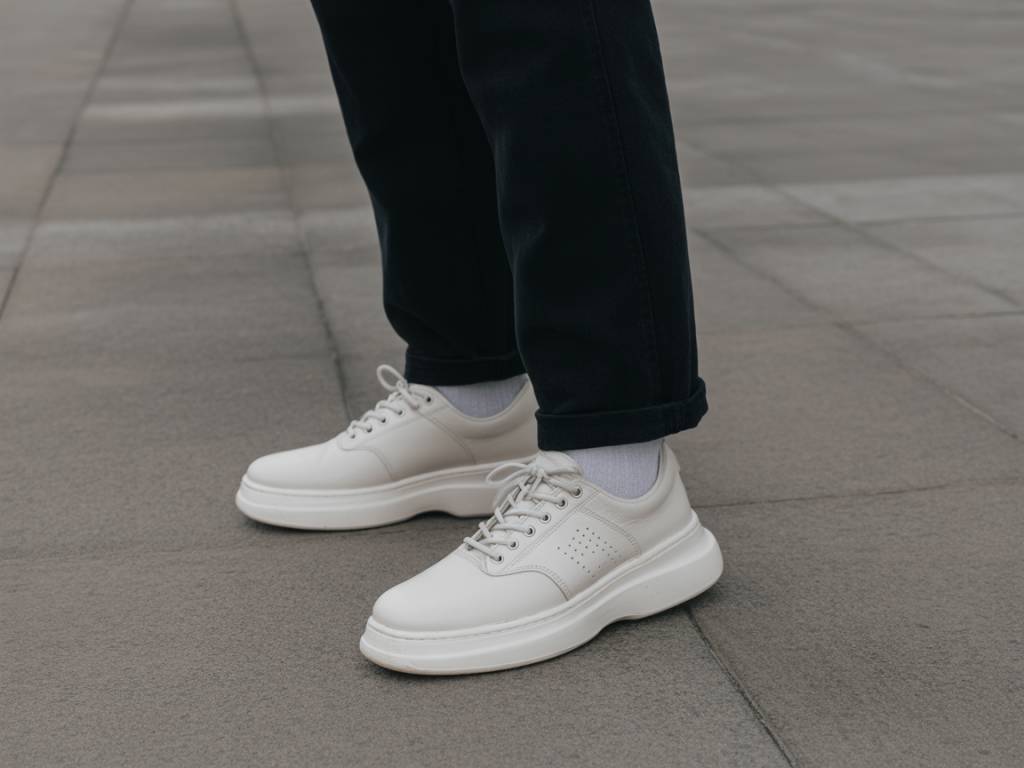
These are usually the easiest entry point. Sneakers with hidden elevation tend to be versatile, casual, and forgiving. They work well for everyday wear and often provide the most natural-looking boost because sneaker soles are already expected to be slightly chunky.
If you want something that blends into streetwear, denim, or smart-casual outfits, this category is often the safest bet. The best models balance cushioning, support, and visual proportion, so you don’t end up with shoes that look like they’re trying too hard.
Height increasing dress shoes
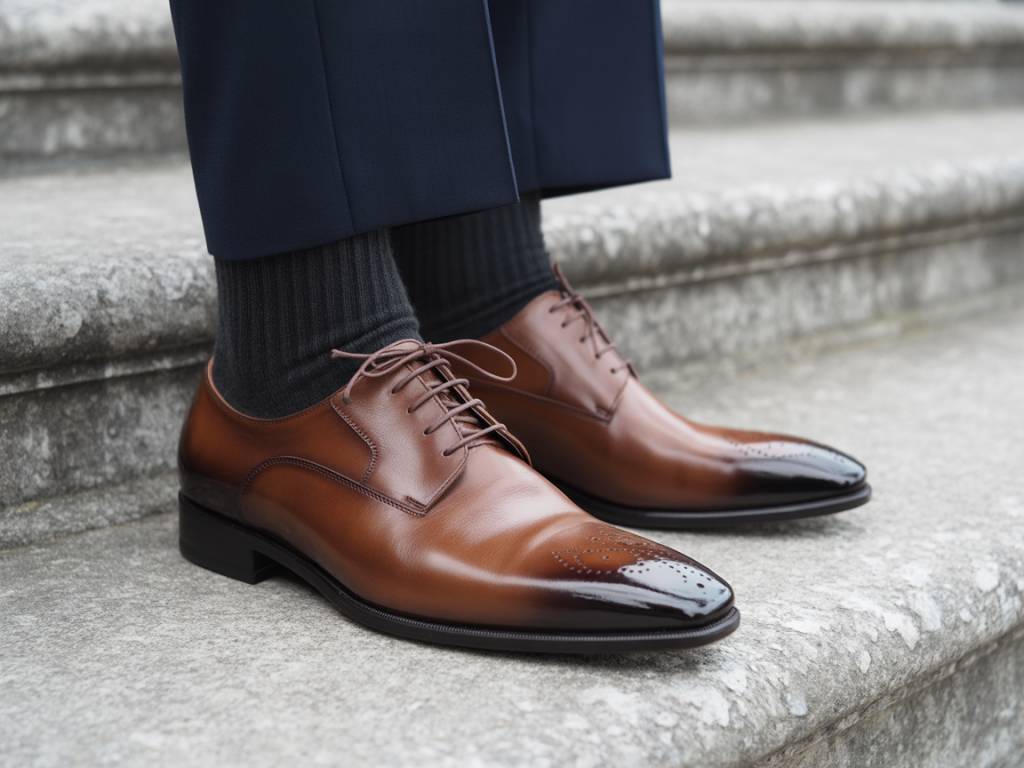
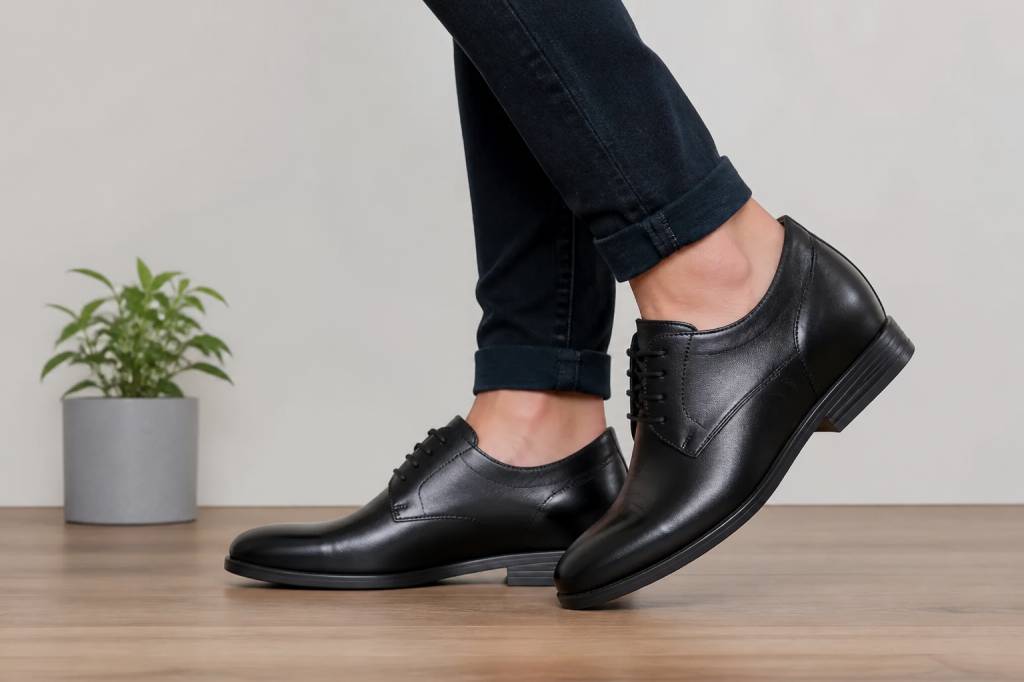
These are for more formal settings. Oxfords, derbies, and loafers with hidden lifts can be very effective, but they require more attention to shape and finish. A bulky lift inside a sleek dress shoe can look unnatural if the construction is poor.
Good dress models keep the upper slim and elegant while integrating the height increase internally. That makes them useful for weddings, office settings, or events where you want extra height without sacrificing formality.
Boots with height enhancement
Boots are one of the most underrated options. They naturally accommodate a thicker sole, a sturdier heel, and a more substantial silhouette, which makes hidden height additions easier to disguise. Chelsea boots, lace-up boots, and combat-inspired styles can all work well here.
If you want a noticeable boost that still looks believable, boots often give you the best visual cover.
How much height is realistic?
This is where expectations matter. If you’re looking for a subtle lift, 2 to 4 cm is usually enough to improve posture and give a cleaner vertical line. If you want a stronger effect, 5 to 7 cm is possible, but comfort and discretion become more important.
Here’s the general rule: the more height you add, the more carefully the shoe needs to be designed. A 2 cm lift is easy to hide. A 6 cm lift needs better engineering, better balance, and a stronger outer design to keep the shoe from looking exaggerated.
For daily wear, many people find the sweet spot around 3 to 5 cm. That range tends to offer a noticeable result without feeling like you’re walking on a small architectural project.
What makes a good pair worth buying
If you’re shopping for height increasing shoes, don’t focus only on the number of centimeters. Look at the complete package. A shoe can promise extra height and still fail if it’s uncomfortable, unstable, or obviously fake-looking.
Pay attention to these points:
There’s also the question of versatility. The best height increasing shoes should fit more than one outfit. If they only work with a very specific pair of pants, they’re not doing enough.
How to wear them without looking like you are trying too hard
This is where many people overcomplicate things. The goal is not to become “the tall guy in the room.” It’s to look balanced. Subtlety usually wins.
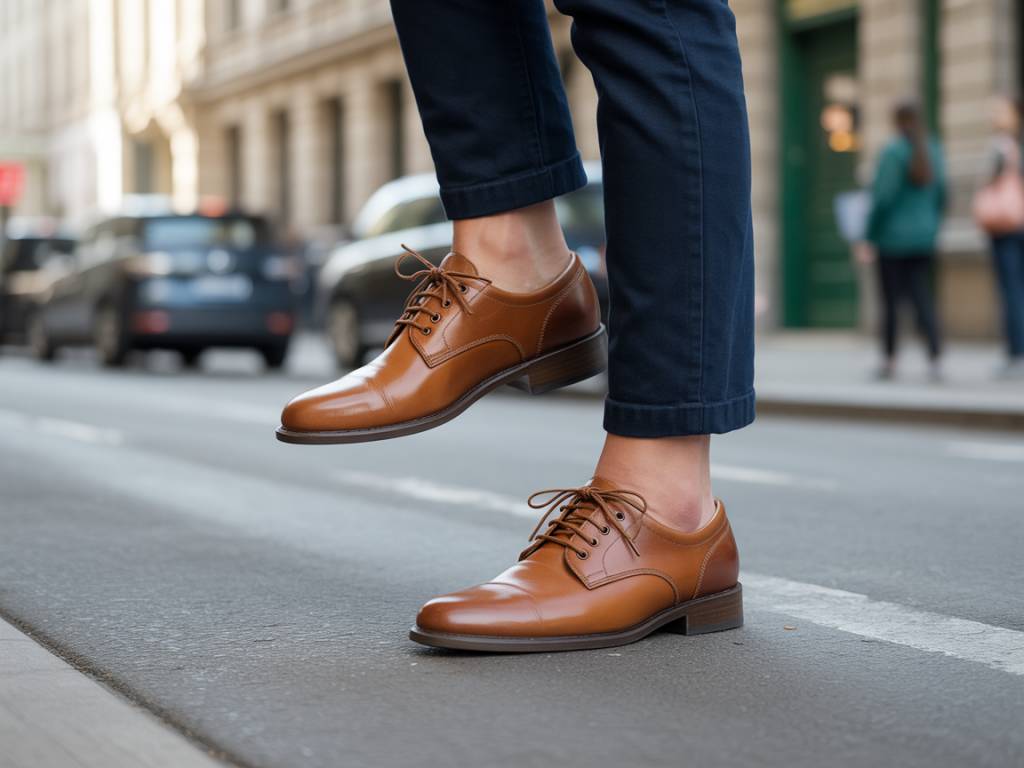
Start with proportion. If your shoes add height, your outfit should support that line. Slim or straight-leg trousers work well because they lengthen the silhouette. Cropped pants can expose the shape of the sole and reduce the clean effect. Baggy trousers can also hide the shoe, but they can sometimes make the leg line look shorter if the fit is too loose.
Another useful trick is to match the shoe to the rest of the outfit’s visual weight. A thick-soled sneaker works with relaxed casual wear. A sleek leather shoe works with tailored looks. A rugged boot handles heavier fabrics like denim, wool, and layered outerwear.
Posture matters too. Height increasing shoes can improve how you stand, but they can’t fix a slouched back or a forward head. If you stand tall, the added height looks intentional. If you hunch, the lift just becomes a hidden secret doing all the work.
Common mistakes to avoid
One of the biggest mistakes is buying the maximum height available without thinking about comfort. More height does not automatically mean better results. If the shoe feels unstable, you won’t wear it often, and the benefit disappears.
Another mistake is choosing a style that clashes with your wardrobe. A chunky sneaker may be a good height tool, but not if you only wear formal clothes. Likewise, a dress shoe with a lift won’t help much if your everyday look is built around athleisure.
People also underestimate fit. Because height increasing shoes have internal structure, sizing can feel slightly different from regular shoes. A pair that’s too tight can create pressure, while a pair that’s too loose can reduce stability. Reading size guidance carefully is not optional.
And then there’s the visibility issue. If the shoe looks obviously modified, the effect can become counterproductive. The best pairs are the ones nobody thinks about twice.
Do they really help with confidence?
In many cases, yes. Not because they transform your personality, but because they change how you experience your own presence. That sounds soft, but it’s very real. When people feel physically better aligned, they often move differently, speak more confidently, and take up space more comfortably.
Think of height increasing shoes as part of a broader style strategy. They work best alongside good grooming, well-fitted clothing, and a posture that supports the extra lift. If all of those pieces are in place, the result is noticeably stronger than any one element alone.
That’s why many wearers don’t think of them as a trick. They think of them as a tool. And in fashion, tools are valuable when they solve a real problem with minimal fuss.
How to choose the right pair for your needs
If you’re buying your first pair, start with your most common use case. That sounds obvious, but it’s the fastest way to avoid buyer’s remorse.
If you need everyday versatility, go for a clean height increasing sneaker in a neutral color. If you need something for formal settings, choose a discreet dress shoe with modest elevation. If you want the most natural disguise for a stronger boost, boots are often the safest compromise.
Also consider how often you’ll wear them. For occasional use, a more dramatic lift may be fine. For daily wear, prioritize comfort, durability, and a height increase that won’t fatigue your feet by lunchtime. Your posture and your patience will both thank you.
Finally, look for brands and models that are transparent about their construction. Good height increasing shoes should explain how much lift they provide, what materials they use, and how the design maintains comfort. Clear information is usually a sign that the product is built with more care.
Where height increasing shoes fit into the bigger picture
There are many ways to look taller: better tailoring, monochrome outfits, vertical lines, proper footwear, and posture work. Height increasing shoes belong to that toolbox, but they are arguably the most direct method because they deliver an immediate physical effect.
Still, their best use is not as a stand-alone solution. They work best when they complement a wardrobe that already understands proportion. In that sense, they are less about illusion and more about refinement. They help you present yourself in the way you want to be seen, without needing a wardrobe overhaul.
And that is probably the real reason they remain so popular. They are practical, discreet, and surprisingly effective when chosen well. If you want a way to grow taller in appearance without making your outfit complicated, height increasing shoes are one of the most straightforward options available.