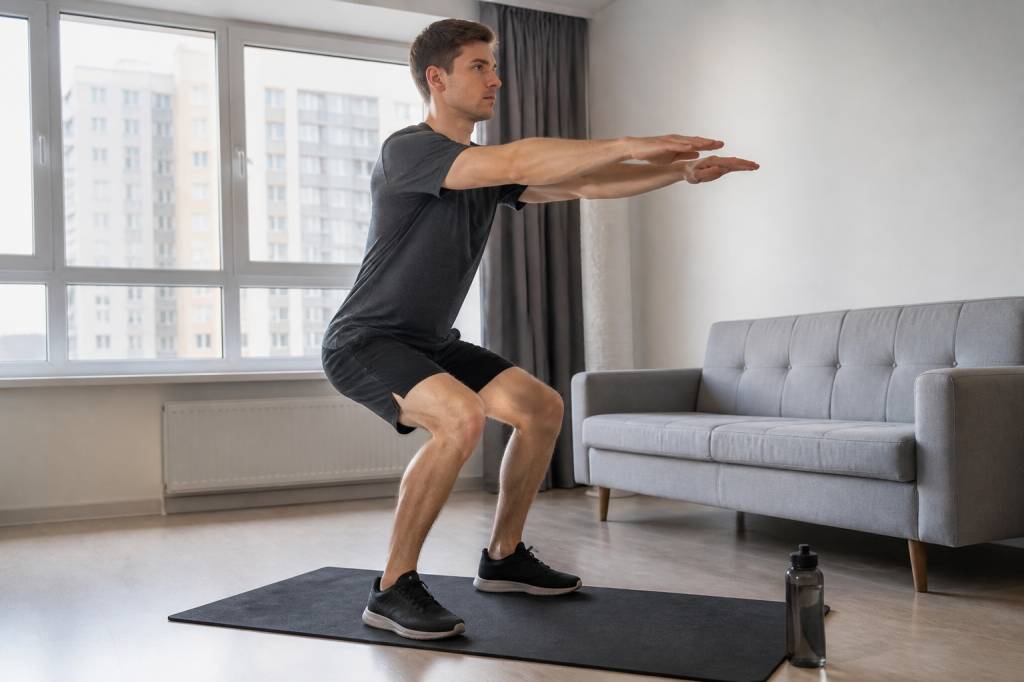
If you’ve ever searched for ways to look or feel taller, you’ve probably seen some bold claims online. A lot of them are, frankly, too good to be true. Exercise won’t magically lengthen your bones after puberty, but it can absolutely help you appear taller, stand straighter, and move in a way that makes the most of your natural height.
That distinction matters. The right workouts can improve posture, reduce spinal compression, strengthen your core, and open up tight hips and shoulders. In other words: you may not grow three extra inches, but you can often recover the height your body has been “hiding” under bad posture and daily habits. And yes, that can make a visible difference.
Below, we’ll break down which exercises are actually useful, how to build a simple routine, and what habits support a taller-looking frame over time.
Can exercise really increase height?
The honest answer is: it depends on what you mean by “increase height.”
For children and teenagers, exercise supports healthy growth by improving bone strength, muscle balance, coordination, and overall development. Good nutrition and sleep are still the major players, but movement matters.
For adults, exercise does not make your leg bones longer. Once growth plates close, that part is done. However, exercise can help you:
So the practical goal is not “grow taller overnight.” It’s “look taller, stand taller, and stop losing height to poor posture.” That’s a much more realistic and useful target.
The best exercises for a taller-looking posture
If you want the biggest visual payoff, focus on exercises that strengthen the muscles that keep you upright and mobile. The usual suspects are your core, upper back, glutes, and hip flexors.
Planks and side planks
Planks train the deep core muscles that stabilize your spine. A stronger core helps you avoid the collapsed ribcage and lower-back arch that make people look shorter than they are.
How to do it:
Side planks are especially useful because they train the muscles that support upright alignment from the side, not just front to back.
Glute bridges
Weak glutes often force other muscles to overcompensate, which can affect posture and pelvic alignment. Glute bridges wake up the backside of your body and help support a more neutral stance.
How to do it:
This is a deceptively simple move. Do it consistently, and your standing posture often improves faster than expected.
Rows and band pull-aparts
Rounded shoulders are one of the fastest ways to look shorter. Rows and band pull-aparts strengthen the upper back and rear shoulders, helping pull the shoulders into a better position.
Good options include:
If your daily life involves a laptop, phone, or long commute, these are not optional. They are posture insurance.
Dead hangs
Dead hangs from a pull-up bar can temporarily decompress the spine and improve shoulder mobility. They won’t permanently increase your height, but they can help you feel more open and upright.
How to do it:
If you spend hours sitting every day, this movement feels surprisingly good. It’s also one of the simplest ways to counter the effects of compression.
Hip flexor stretches
Tight hip flexors can tilt your pelvis forward and make your lower back arch excessively. That posture can shorten your apparent height and create a stiff, compressed look.
Try:
Hold each stretch for 30 to 45 seconds. Breathe slowly. The goal is not to force the stretch; it’s to restore balance.
Thoracic mobility drills
Your thoracic spine is the upper and mid-back area. If it gets stiff, your posture tends to collapse forward. Mobility drills here can make you appear noticeably taller because your chest opens and your shoulders sit better.
Useful drills include:
These are especially good before a workout or after a long day of sitting. They also pair well with posture-focused strength work.
A simple weekly routine that works
You do not need a complicated program. In fact, simple routines usually win because people actually stick to them. The best exercise plan is the one you can repeat without making excuses after day three.
Here’s a balanced weekly structure:
Three days of posture-focused strength
On non-consecutive days, do a short full-body session built around posture and alignment.
Example session:
Keep rest periods short. The point is quality, not exhaustion.
Two to three days of mobility work
These sessions can be shorter, around 10 to 15 minutes.
Focus on:
You can do mobility work after a workout or as a standalone reset in the evening.
Daily posture reset
This is the underrated part. A good workout won’t help much if you spend the rest of the day folded over a desk like a question mark.
Try this quick reset once or twice a day:
This teaches your body what “tall” actually feels like. Many people have simply forgotten.
Exercise habits that support better posture
Workouts help, but daily habits decide whether you keep the gains. A few small changes can make a surprisingly large difference.
Break up long sitting periods
Sitting for hours compresses the spine and encourages rounded shoulders. Even if you have a perfect 20-minute routine, one long, uninterrupted workday can undo a lot of it.
Set a reminder every 45 to 60 minutes to stand, stretch, or walk for a minute or two. Think of it as posture maintenance.
Strengthen your upper back, not just your abs
People often obsess over abs because they look good in photos. Fair enough. But if your goal is to look taller, your upper back matters just as much. A strong posterior chain supports a more open chest and better alignment.
Don’t skip leg and glute training
A taller-looking body is not built on “small” accessories like posture drills alone. Your lower body provides the base. Strong glutes, hamstrings, and legs help you stand and move with more stability.
Good choices include:
These exercises also improve balance, which has a direct effect on how confidently you carry yourself.
Sleep and recovery matter more than people think
If you’re still growing, sleep is essential. For adults, sleep helps reduce inflammation, improve recovery, and support better posture by keeping muscles and joints less cranky. A tired body tends to slouch. No surprise there.
Simple recovery rules:
Common mistakes to avoid
When people want to look taller fast, they often make the same mistakes. Avoiding them is half the battle.
Chasing “miracle” routines
If a program claims to add several inches in a week, it’s selling fantasy, not fitness. Real posture improvement is gradual, measurable, and built on consistency.
Only doing stretches
Stretching feels good, but flexibility alone won’t keep you upright. You also need strength. Think of posture as a partnership between mobility and muscle support.
Overtraining the wrong muscles
Some gym routines build chest and front-shoulder dominance while neglecting the back. That imbalance can actually make posture worse. If you bench a lot, you probably need extra rows and rear-delt work.
Ignoring footwear and stance
Yes, footwear matters. The way you stand and the shoes you wear can change your apparent height more than people expect. A neutral, stable stance supports posture from the ground up. On the style side, a clean silhouette often works better than trying too hard. The body, like an outfit, looks better when everything is balanced.
Who benefits most from height-focused exercise?
These workouts are useful for almost everyone, but they are especially helpful if you:
If you’re already naturally tall, posture work can still make you look better. And if you’re not tall, better posture is one of the smartest ways to improve your visual proportions without changing a single centimeter of bone.
When to get professional advice
If you have pain, a major posture imbalance, scoliosis, or a history of injury, it’s worth speaking with a physiotherapist or qualified trainer. Exercise is powerful, but it should be adapted to your body, not forced onto it.
Also, if you notice a sudden loss of height, back pain, or mobility issues, don’t assume it’s just “bad posture.” Get checked. That’s not overcautious; it’s smart.
In practice, the best approach is very similar to choosing a good pair of shoes: the details matter, balance matters, and comfort matters more than hype. You want support that works with your body, not against it. The same logic applies to movement.
If you stay consistent with strength work, mobility, and posture habits, you may not grow taller in the literal sense, but you can absolutely reclaim a more upright, confident presence. And that often changes how people perceive you before you even say a word.