
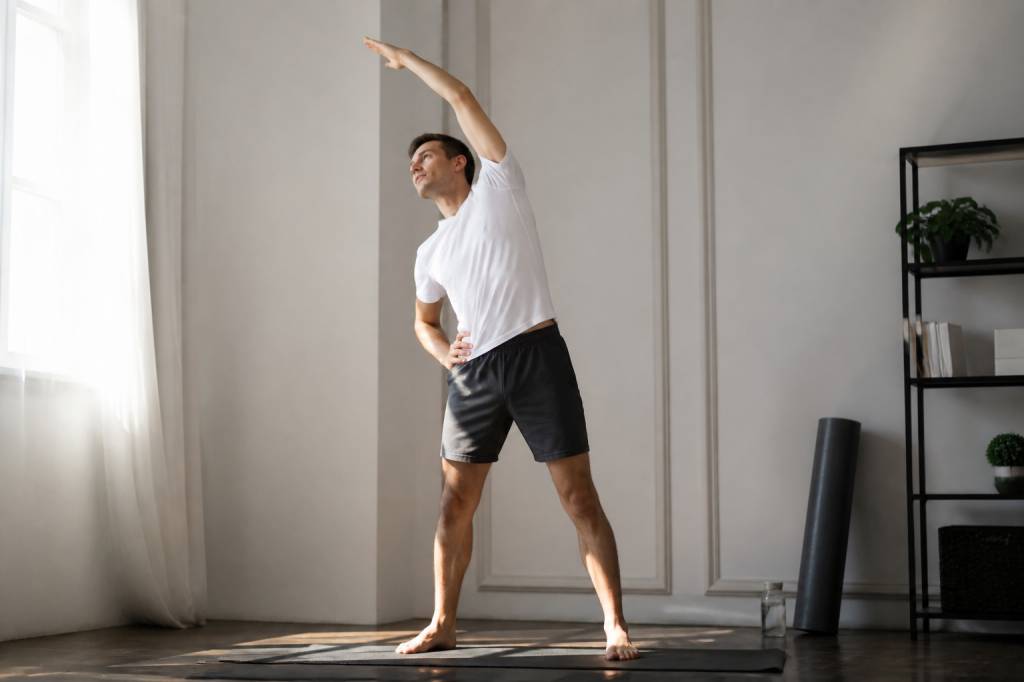
If you’re looking for exercises on how to get taller, it helps to start with one clear idea: exercise cannot magically stretch your bones overnight. But the right movements can support healthy growth in children and teens, improve posture in adults, and help you look and feel taller by reducing compression, stiffness, and slouching. That distinction matters. A lot.
So if you’ve ever wondered whether stretching, hanging, swimming, yoga, or strength training can help, the short answer is yes — but in different ways. Some exercises support natural height growth during the years when your body is still developing. Others help you stand straighter, move better, and appear taller even after growth has slowed or stopped.
What actually affects height growth?
Height is influenced mainly by genetics, but that’s not the whole story. Nutrition, sleep, hormones, physical activity, and overall health all play a role, especially during childhood and adolescence. If growth plates are still open, the body can continue lengthening bones. Once they close, usually after puberty, exercise won’t make bones longer — but it can still improve posture and spinal alignment.
That’s why it’s useful to separate two goals:
- Supporting natural height growth during the growing years
- Maximizing your visible height through posture, mobility, and strength
Think of it like tailoring a jacket. The raw material matters, but the fit makes a huge difference.
Best exercises to support height growth during adolescence
If someone is still growing, exercise should focus on promoting healthy development, good posture, and strong muscles around the spine and joints. No workout can override genetics, but regular movement creates a better environment for growth.
Skipping and jumping exercises
Impact activities such as skipping rope, hopping drills, and light jumping games can be useful for bone health. The repeated loading signals the body to strengthen bone tissue, which is important during growth years.
These exercises are especially helpful when combined with coordination and balance work. They do not directly add inches, but they support healthy skeletal development. A child who spends all day sitting is not exactly giving their body the best conditions to grow well.
Good options include:
- Jump rope for short intervals
- Skipping games
- Gentle box jumps under supervision
- Basketball drills with controlled jumping
Swimming
Swimming is one of the most commonly recommended activities for growth support, and for good reason. It works the whole body, strengthens the back and shoulders, and encourages a long, open posture in the water.
Does swimming make you taller by itself? Not directly. But it helps develop a lean, aligned physique and can reduce the rounded posture that makes people look shorter than they are. For growing teens, it’s one of the best low-impact sports for overall physical development.
Try these swimming styles if available:
- Freestyle for general conditioning
- Backstroke for spinal extension and shoulder opening
- Breaststroke for balanced lower-body work
Hanging exercises and spinal decompression
Dead hangs from a pull-up bar are popular in “get taller” routines, and they can be genuinely useful — with the right expectations. Hanging does not lengthen bones, but it can temporarily decompress the spine and improve shoulder mobility.
This means you may stand a little taller immediately after, especially if you usually sit or hunch forward a lot. Over time, it may also help with posture and upper-back strength, both of which contribute to a taller appearance.
How to do it:
- Grip a sturdy bar with hands shoulder-width apart
- Let your body hang with relaxed shoulders
- Start with 10–20 seconds
- Increase gradually as grip and shoulder strength improve
If your shoulders feel painful or unstable, stop. Hanging should feel like a stretch, not a warning sign.
Yoga for posture and flexibility
Yoga is not a height-growth miracle, but it can be extremely effective for posture, spinal mobility, and body awareness. That matters more than many people realize. A tall body held in a collapsed position can look shorter than a slightly shorter body that stands upright with confidence.
Useful yoga poses include:
- Mountain pose for alignment
- Cobra pose to open the chest
- Downward dog to lengthen the back chain
- Child’s pose for gentle spinal release
- Cat-cow for mobility in the spine
One simple routine can already make a difference: 5 to 10 minutes of daily mobility work often improves posture more than an occasional intense session. Consistency beats enthusiasm here. Annoying, but true.
Strength training done correctly
There’s a persistent myth that strength training stunts growth. In reality, properly supervised strength training is generally safe for young people and may support healthy development by strengthening muscles, improving coordination, and reducing injury risk.
The key is technique. Heavy lifting without control is a bad idea for anyone, especially a developing body. But bodyweight exercises and light resistance work can be very helpful.
Good exercises include:
- Bodyweight squats
- Lunges
- Planks
- Glute bridges
- Rows with resistance bands
These exercises help build a strong core and back, which supports upright posture. And posture, as every mirror reminds us, can change the way height is perceived instantly.
Core and back exercises for looking taller
If there’s one category that deserves more attention, it’s the core. Weak abdominal and back muscles often lead to slouching, forward head posture, and a compressed torso. Stronger core muscles help keep the spine supported and the chest open.
Try these movements:
- Front plank
- Side plank
- Bird-dog
- Superman holds
- Reverse fly movements with light weights or bands
A practical tip: if you sit for long hours, do a quick posture reset every 45 to 60 minutes. Stand up, extend your arms overhead, squeeze your shoulder blades gently together, and take a few deep breaths. It’s simple, but the effect on posture can be significant over time.
Stretching routines that help you stand straighter
Stretching won’t increase your bone length, but it can reduce tightness in the hips, hamstrings, chest, and lower back. That matters because tight muscles often pull the body into a shorter-looking shape.
Effective stretches include:
- Hamstring stretches
- Hip flexor stretches
- Chest doorway stretches
- Child’s pose
- Thoracic spine rotations
If you want better results, avoid bouncing. Hold each stretch for 20 to 30 seconds, breathe steadily, and keep the movement controlled. Stretching is not a race. No medals are awarded for yanking your hamstrings into rebellion.
Daily habits that support height potential
Exercise works best when it’s paired with habits that actually support growth. If a teen trains regularly but sleeps poorly and eats badly, the benefits are limited. The body needs raw materials and recovery time.
Here are the big ones:
- Sleep: Growth hormone is strongly linked to sleep quality. Teens especially need enough rest.
- Nutrition: Protein, calcium, vitamin D, iron, and overall calories matter for development.
- Hydration: Even mild dehydration can affect energy, movement, and recovery.
- Posture awareness: Standing and sitting well can make a visible difference.
- Regular activity: A mix of sports, mobility work, and strength training is ideal.
For growing kids and teens, this combination is more effective than chasing a single “secret” exercise. There isn’t one. The boring answer is usually the correct one, which is why it gets ignored.
What adults can realistically expect
If you’re an adult, the focus shifts. Growth plates are usually closed, so exercises won’t increase your skeletal height. But you can still improve how tall you appear — and sometimes quite a bit.
Adults often gain visible height through:
- Better posture
- Reduced spinal compression
- Stronger core and back muscles
- Improved mobility in the hips, chest, and shoulders
That can be enough to make clothes fit better and make your silhouette look cleaner. In fashion terms, it’s the difference between “shorter than you are” and “well-proportioned.” Small change, big impact.
A practical weekly routine to try
If you want a simple structure, here’s a balanced routine that supports posture and overall physical development. It’s suitable for most healthy people, with adjustments based on age and fitness level.
- 3 days per week: bodyweight strength work, including squats, planks, bridges, and rows
- 2 to 3 days per week: swimming, basketball, skipping, or another active sport
- Daily: 5 to 10 minutes of stretching and mobility
- Daily: posture reset breaks if you sit for long periods
- Optional: dead hangs or bar hangs for spinal decompression and shoulder mobility
If you’re a beginner, start smaller. Ten minutes done consistently is better than a two-hour routine you abandon after a week. Exercise for height support is a long game.
When to be cautious
Some people become so focused on getting taller that they start doing extreme routines. That’s a mistake. Pain, overtraining, and poor technique will not help growth. They may do the opposite by increasing stress and reducing recovery.
Be careful if you have:
- Back, neck, or shoulder pain
- A history of joint instability
- Medical conditions affecting growth or posture
- Signs of poor nutrition or delayed development
If a child or teen is significantly shorter than expected or growth seems unusually slow, a healthcare professional should evaluate it. Exercise is helpful, but it is not a substitute for medical advice when something looks off.
The realistic takeaway
The best exercises on how to get taller are not about tricking the body. They’re about creating the right environment for growth, posture, and healthy movement. For children and teens, that means active sports, stretching, swimming, hanging, and strength training done correctly. For adults, it means posture, mobility, core strength, and habits that help you stand at your full natural height.
So, can exercise make you taller? Sometimes indirectly, yes. Can it help you look taller and feel more confident? Absolutely. And in the real world, that’s often the difference people notice most.
If you want the short version: move often, sleep well, eat properly, and train your posture as seriously as your muscles. Your height may be partly written in your genes, but how you carry it is very much under your control.